
Scaffolding Inspections: How Often They Should Be Done
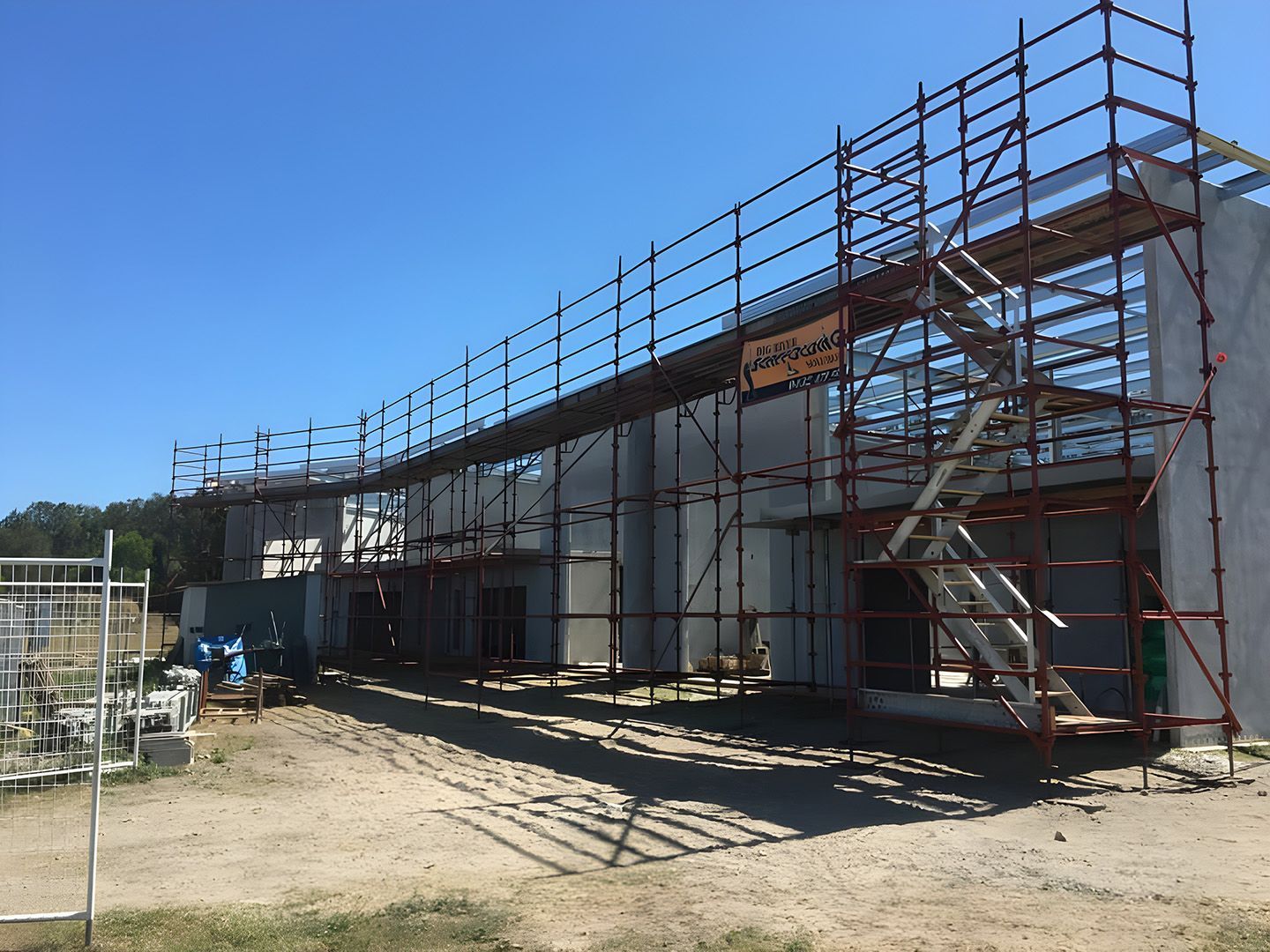
Scaffolding plays a critical role in construction and maintenance projects, providing safe access for workers at height. However, its safety depends heavily on regular inspections and proper maintenance. When relying on scaffolding in Tweed Heads businesses benefit from understanding how often inspections should be carried out, which is essential for meeting safety standards and preventing risks. A structured inspection routine ensures that scaffolding remains stable, compliant and safe for daily use.
Why Regular Scaffolding Inspections Are Essential
Scaffolding structures are exposed to constant use, environmental conditions and potential wear. Regular inspections help identify issues before they become serious hazards.
- Detects structural weaknesses early
- Reduces the risk of accidents on site
- Ensures compliance with safety regulations
- Maintains a safe working environment
Consistent inspections are a key part of responsible site management and risk reduction.
Daily Pre Start Checks On Site
Before scaffolding is used each day, a basic visual inspection should be carried out. These checks are quick but important.
- Look for visible damage or movement
- Check that planks and platforms are secure
- Ensure guardrails are in place
- Confirm access points are safe
Daily checks help ensure the structure is safe for immediate use and highlight any urgent concerns.
Formal Weekly Inspections
In addition to daily checks, scaffolding should undergo more detailed inspections at regular intervals. Weekly inspections are commonly recommended.
- Review all structural components
- Check connections and fittings
- Inspect stability and alignment
- Confirm compliance with design specifications
These inspections provide a more thorough assessment of the scaffolding’s condition.
Inspections After Weather Events
Weather conditions can have a significant impact on scaffolding safety. Strong winds, rain and other environmental factors may affect stability.
- Check for movement or shifting
- Inspect for water-related damage
- Ensure ground conditions remain stable
- Confirm all components are secure
For scaffolding environments, where weather can change quickly, post-weather inspections are particularly important.
Inspections After Modifications Or Relocation
Any time scaffolding is altered, extended or moved, a new inspection should be carried out before use resumes.
- Confirm new sections are installed correctly
- Check structural integrity after changes
- Ensure load capacity remains appropriate
- Verify compliance with safety requirements
Changes to the structure can introduce new risks if not properly assessed.
What A Professional Inspection Involves
Professional inspections go beyond basic checks and involve a detailed review of all components. This ensures compliance with safety standards.
- Examination of all load-bearing elements
- Assessment of anchoring and support systems
- Verification of design and installation
- Documentation of inspection results
Working with scaffolding professionals ensures inspections are carried out thoroughly and accurately.
Key Areas Included In Inspection Checklists
Inspection checklists help ensure no part of the structure is overlooked. They provide a consistent approach to safety.
- Frames, braces and supports
- Platforms and planking
- Guardrails and edge protection
- Access points such as ladders or stairs
Using a checklist ensures all critical elements are reviewed during each inspection.
Maintaining Compliance With Safety Regulations
Scaffolding must meet strict safety requirements, and inspections play a key role in maintaining compliance.
- Meets workplace safety standards
- Supports legal obligations for site operators
- Reduces risk of penalties or shutdowns
- Ensures safe working conditions
Regular inspections demonstrate a commitment to safety and proper site management.
The Role Of Documentation And Record Keeping
Keeping accurate records of inspections is an important part of maintaining compliance and accountability.
- Records inspection dates and findings
- Tracks maintenance and repairs
- Provides evidence of compliance
- Supports ongoing safety management
Documentation ensures there is a clear history of how the scaffolding has been maintained.
Preventative Maintenance Through Inspections
Inspections are not just about identifying problems, they also support preventative maintenance.
- Identifies wear before failure occurs
- Allows timely repairs or replacements
- Extends the lifespan of equipment
- Reduces unexpected downtime
A proactive approach helps keep projects running smoothly and safely.
Choosing Professional Scaffolding Services
Working with experienced providers ensures that inspections and maintenance are carried out to a high standard.
- Access to trained and qualified inspectors
- Knowledge of current safety regulations
- Ability to identify complex issues
- Reliable support throughout the project
For businesses using scaffolding in Tweed Heads, professional expertise is essential for maintaining safety.
A Reliable Approach To Scaffolding Safety
When looking for scaffolding in Tweed Heads businesses can rely on Big River Scaffolding Solutions to provide services that prioritise safety, compliance and reliability. We understand the importance of regular inspections and structured maintenance routines in supporting safe work environments.
Regular inspections are a critical part of scaffolding management. By following a structured schedule and working with qualified providers, you can reduce risks and maintain compliance across your project.
It is also important to ensure that all workers on-site understand the importance of reporting issues. Even small concerns should be addressed promptly to prevent larger problems from developing. Clear communication supports a safer working environment.
By combining daily checks, scheduled inspections and professional support, businesses can ensure their scaffolding remains safe, compliant and reliable throughout the duration of any project.
Additional planning around inspection routines can further strengthen site safety. Assigning clear responsibility for inspections ensures accountability and consistency across all stages of a project. When teams know exactly who is responsible for checks, the likelihood of missed inspections is significantly reduced.
It is also beneficial to implement regular training sessions for workers using scaffolding. Understanding what to look for, how to identify early warning signs and when to report issues allows problems to be addressed before they escalate. This shared responsibility improves overall site awareness.
Another important factor is scheduling inspections at key project milestones. As construction progresses, scaffolding may be exposed to different loads, conditions and usage patterns. Reviewing its condition at each stage ensures it continues to meet requirements.