
Different Types Of Scaffolding And Their Uses
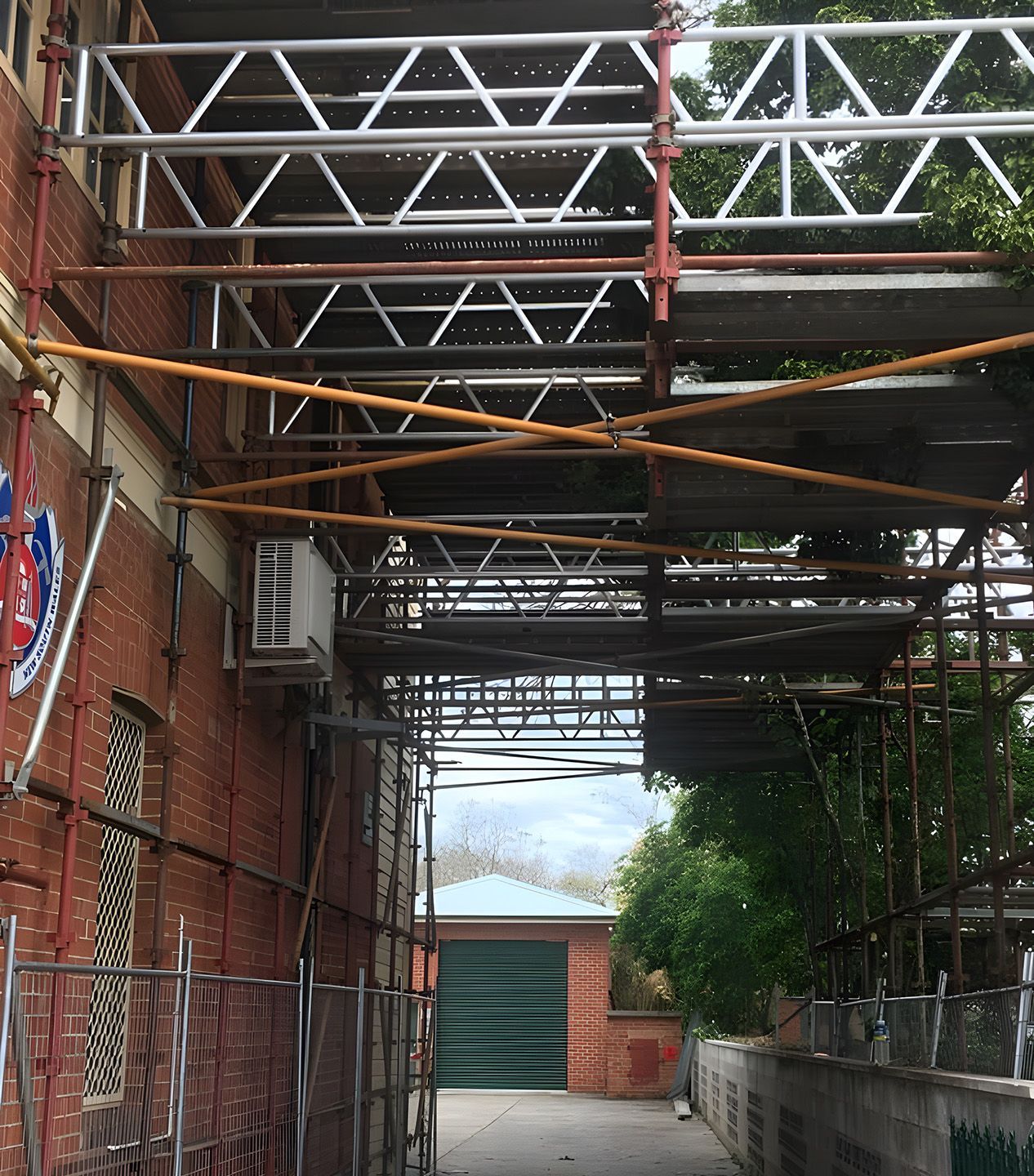
Scaffolding is a critical component across construction, maintenance and industrial projects, providing safe and stable access for work at height. Choosing the right system is essential for efficiency, safety and compliance. For projects involving scaffolding in Burleigh Heads businesses benefit from understanding the different types of scaffolding and their specific uses, which helps ensure the right solution is selected for each job. Each system is designed for particular conditions, structures and access requirements, making it important to understand how they differ.
Why Choosing The Right Scaffolding Type Matters
Selecting the correct scaffolding system affects both safety and productivity on site. Different structures require different levels of support, flexibility and access, which is why careful planning is essential before installation begins.
- Improves safety for workers at height
- Supports efficient workflow and access
- Reduces the risk of structural instability
- Ensures compliance with project requirements
Using the right scaffolding in Burleigh Heads helps projects run smoothly and reduces the likelihood of delays or safety issues.
Modular Scaffolding Systems Explained
Modular scaffolding is one of the most commonly used systems in modern construction. It uses prefabricated components that connect in a fixed pattern, allowing for fast and consistent assembly.
- Fast assembly and dismantling
- Consistent and reliable structure
- Suitable for a wide range of projects
- Ideal for repetitive or large-scale work
This system is widely used because it provides efficiency without compromising structural integrity.
Where Modular Scaffolding Works Best
Modular systems are particularly useful for projects that require speed and consistency. Their design allows for rapid installation while maintaining a stable and safe working platform.
- Commercial construction projects
- Residential building sites
- Maintenance and repair work
- Large-scale developments
For scaffolding projects, modular systems are often selected due to their versatility and ease of use across different job types.
Tube And Fitting Scaffolding Overview
Tube and fitting scaffolding is a traditional system that offers maximum flexibility. It uses individual tubes and connectors, allowing structures to be built around complex shapes.
- Can be adapted to complex designs
- Suitable for irregular structures
- Provides strong and stable support
- Allows for precise customisation
This system is ideal when standard scaffold designs are not suitable for the site conditions.
Applications For Tube And Fitting Systems
Due to its adaptability, tube and fitting scaffolding is often used in specialised projects where flexibility is required.
- Heritage building restoration
- Industrial sites with unique layouts
- Structures with unusual shapes
- Custom access solutions
This type of scaffolding is commonly used when working around existing structures that require careful positioning.
Understanding Suspended Scaffolding
Suspended scaffolding is designed for work on tall buildings where ground-based systems are not practical. It is supported from above rather than below.
- Provides access to high elevations
- Adjustable height for different levels
- Suitable for vertical work surfaces
- Minimises obstruction at ground level
This system is often used in projects where space is limited at ground level.
When Suspended Scaffolding Is Used
Suspended scaffolding is typically used for tasks that require direct access to vertical surfaces on taller structures.
- Window cleaning and maintenance
- Exterior building repairs
- Painting and finishing work
- High-rise maintenance projects
For scaffolding environments involving taller buildings, suspended systems provide an efficient solution.
Mobile Scaffolding And Its Benefits
Mobile scaffolding is designed for flexibility and ease of movement. It is mounted on wheels, allowing it to be repositioned as needed.
- Easy to move between locations
- Quick setup for short-term tasks
- Reduces repeated assembly
- Suitable for indoor and outdoor work
This type of scaffolding is useful for tasks that require frequent changes in position.
Common Uses For Mobile Scaffolds
Mobile scaffolds are often used for smaller projects or tasks that do not require a fixed structure.
- Electrical installations
- Painting and decorating
- Routine maintenance work
- Short-duration projects
Their ability to be moved easily makes them practical for many types of work.
Comparing Different Scaffolding Types
Each scaffolding system has its own advantages, depending on the project requirements. Understanding these differences is key to selecting the right option.
- Modular systems offer speed and efficiency
- Tube systems provide flexibility
- Suspended scaffolds support height work
- Mobile scaffolds allow movement
Choosing the right scaffolding in Burleigh Heads ensures safety and productivity are maintained throughout the project.
Safety Considerations Across All Systems
Safety is the most important factor when working with scaffolding. Regardless of the system used, proper procedures must always be followed.
- Regular inspections are essential
- Proper installation is critical
- Load limits must be followed
- Workers must be trained
Working with experienced scaffolding professionals ensures all safety standards are met.
A Practical Approach To Scaffolding Solutions
When looking for scaffolding in Burleigh Heads businesses can rely on Big River Scaffolding Solutions to provide services designed to meet a wide range of project needs. We focus on selecting the right system for each job and ensuring it is installed safely and efficiently.
Understanding the different types of scaffolding allows builders and site managers to make informed decisions. Each system has its place depending on the structure, environment and type of work being carried out.
It is also important to consider long-term project requirements when selecting scaffolding. Some systems are better suited to extended use, while others are ideal for short-term tasks. Planning ahead ensures the most effective solution is chosen from the beginning.
By working with experienced scaffolding providers like Big River Scaffolding Solutions, businesses can ensure their projects are supported with reliable, safe and efficient access solutions.
Additional planning considerations can further improve project outcomes. Site access, surrounding structures and environmental conditions all influence which scaffolding system will perform best. Reviewing these factors before installation helps prevent complications once work begins.
Clear communication between builders, site managers and scaffolding providers is also essential. When all parties understand the requirements and limitations of each system, installation can be completed more efficiently and safely. This coordination reduces delays and ensures that scaffolding is used effectively throughout the project.
It is also important to consider how scaffolding will be used over time. Projects often change as they progress, and having a system that can adapt to these changes helps maintain productivity. Flexible planning allows adjustments to be made without compromising safety.
In addition, understanding the capabilities of each scaffolding type allows for better resource allocation. Choosing the right system can reduce labour time, minimise equipment needs and improve overall efficiency on site.
With the right preparation and professional support, scaffolding becomes more than just a temporary structure. It becomes a key part of a well-organised and successful project.