
How To Plan Your Project Around Scaffold Hire On The Gold Coast
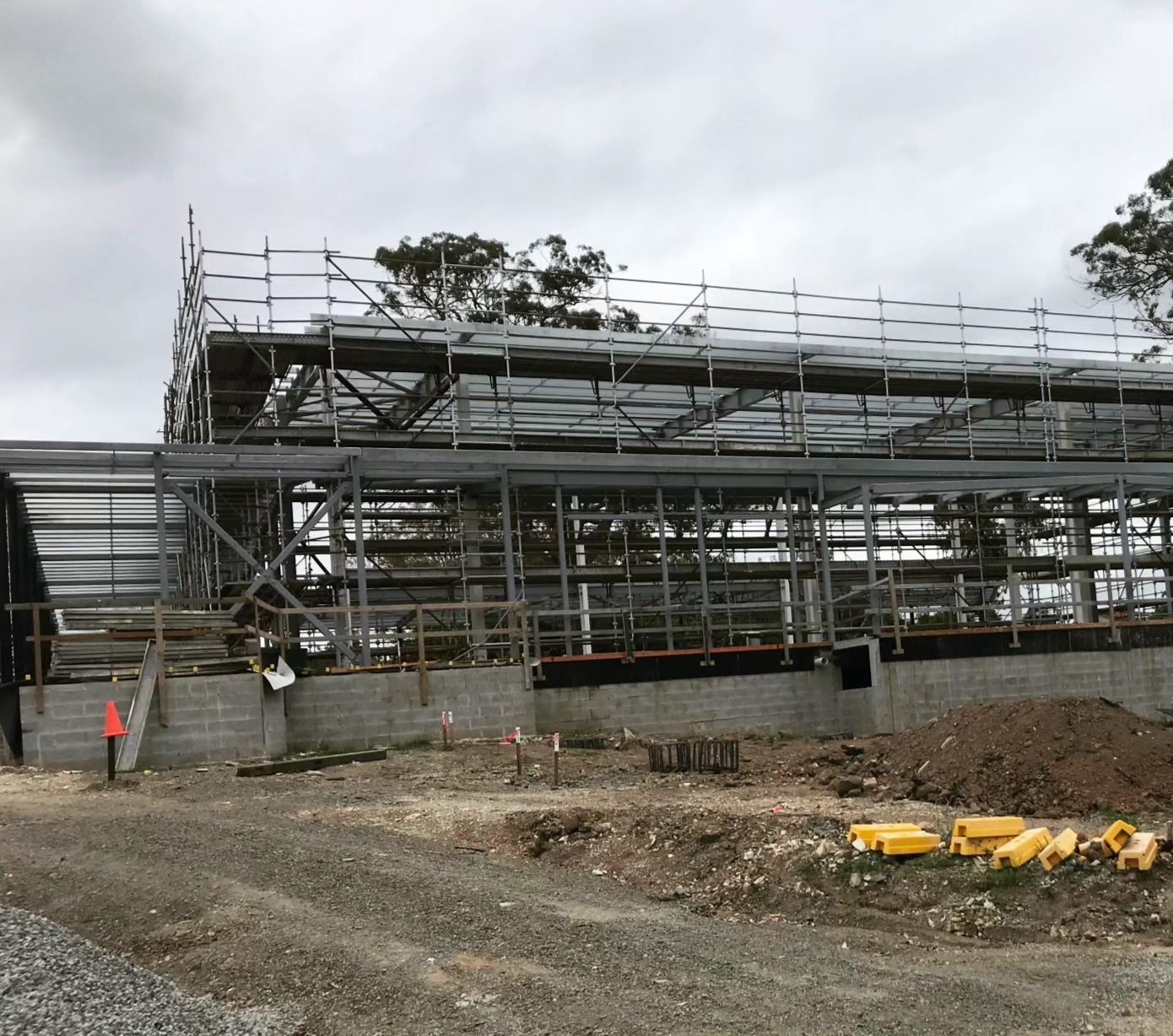
Construction projects rarely move in a straight line. Timelines shift, trades overlap and unexpected delays appear where least expected. One factor that often determines how smoothly a project progresses is access. When elevated work areas are involved, scaffolding becomes a central part of the construction schedule.
Builders and project managers know that access equipment influences far more than worker movement. It affects productivity, safety procedures and the order in which different trades complete their tasks. Without careful planning, poorly timed scaffold installation can slow progress rather than support it.
That is why scaffold hire should never be treated as a last-minute arrangement. Coordinating access systems with the broader construction timeline helps reduce downtime and prevents unnecessary disruption on site.
In this guide we explore how to plan projects around scaffolding on the Gold Coast, including scheduling considerations, site preparation and practical strategies that help construction teams work efficiently from start to finish.
Project Timelines Start With Access Planning
Construction timelines often focus on structural milestones such as foundations, framing and roofing. However, access planning is equally important when work must occur above ground level. Scaffold installation needs to be integrated into the schedule early so that trades can work safely and efficiently.
Professional scaffolding teams typically review project plans before installation begins. This allows them to understand where access will be required and how long each stage of work will take. Planning early prevents delays once construction moves into phases that require elevated access.
Key considerations during early planning include:
- Identifying sections of the structure that require scaffold access
- Determining how long scaffolding will remain in place
- Scheduling installation before trades arrive on site
- Ensuring safe access points for workers and materials
- Coordinating delivery and setup with site availability
When scaffold planning begins early, construction schedules tend to run more smoothly. Builders working with scaffolding on the Gold Coast often find that clear access planning prevents interruptions later in the project.
Understanding The Scope Of Work Before Scaffold Installation
Every construction project is different, and scaffold systems must be designed to match the work being performed. The height of the structure, the type of construction and the number of workers all influence the type of scaffold required.
Professional scaffold providers review project drawings and discuss the scope of work with site supervisors before installation begins. This helps ensure that the scaffold configuration supports the tasks being carried out.
Important factors that influence scaffold design include:
- Building height and structural layout
- Areas requiring worker access during construction
- Load requirements for tools and materials
- Duration of the scaffold hire period
- Safety requirements specific to the project
A clear understanding of the scope allows scaffolding systems to be configured efficiently. When scaffolding is planned around the specific needs of the build, workers gain reliable access without unnecessary adjustments during construction.
Matching Scaffold Installation With Key Construction Phases
Scaffolding should support the natural progression of a construction project. Installing it too early may create unnecessary costs, while installing it too late can delay trades that require elevated access.
Professional scaffold teams work with builders to determine when installation should occur based on upcoming tasks. This ensures that scaffold structures are ready when they are needed most.
Common construction phases that rely on scaffold access include:
- External framing and structural work
- Roof installation and repairs
- Cladding and exterior wall installation
- Window and façade installation
- Painting or finishing work at height
Aligning scaffold installation with construction stages allows trades to complete their work without interruption. For projects involving scaffolding on the Gold Coast, coordinated scheduling helps maintain steady progress across multiple phases.
Site Access, Space And Ground Conditions Matter
The physical conditions of a construction site influence how scaffolding can be installed. Limited access, uneven ground and nearby structures all affect scaffold configuration and installation timing.
Professional scaffold providers often conduct site inspections before delivery. This helps identify potential obstacles and ensures that installation proceeds safely once work begins.
Site factors that commonly affect scaffold planning include:
- Narrow driveways or restricted access points
- Sloping or unstable ground surfaces
- Proximity to neighbouring buildings
- Location of underground services
- Space required for delivery vehicles and equipment
Addressing these factors early prevents complications during installation. Careful preparation helps ensure that scaffolding can be installed efficiently while maintaining safe working conditions.
Weather And Environmental Factors In Project Scheduling
Outdoor construction projects must account for weather conditions. Wind, rainfall and temperature changes can influence both scaffold safety and construction productivity.
Scaffolding systems are designed to withstand normal environmental conditions, but project schedules often need to remain flexible when severe weather occurs.
Environmental considerations may include:
- Strong winds affecting work at height
- Heavy rainfall impacting site conditions
- Coastal environments increasing corrosion risks
- Seasonal weather patterns influencing construction schedules
- Temporary shutdowns during extreme weather events
Planning for environmental conditions allows projects to adapt when necessary. Construction teams working with scaffolding on the Gold Coast often include weather contingencies within their project timelines.
Safety Compliance And Permits In Scaffold Planning
Safety compliance plays a central role in scaffold planning. Regulations exist to ensure that scaffold systems protect workers and maintain safe working environments throughout the construction process.
Professional scaffold providers follow established safety standards when designing and installing scaffold structures. This includes ensuring that systems meet load requirements and provide secure access points.
Compliance considerations typically include:
- Adhering to Australian scaffolding safety standards
- Conducting risk assessments before installation
- Ensuring guardrails and safe access platforms are installed
- Completing site-specific safety documentation
- Inspecting scaffolding regularly during the hire period
When safety compliance is incorporated into planning, scaffold systems support both productivity and worker protection. Gold Coast builders relying on scaffolding benefit from structured safety procedures that reduce risks on site.
Coordinating Trades Around Scaffold Availability
Multiple trades often rely on scaffold access during a single construction project. Roofing contractors, painters, cladding installers and maintenance crews may all require access at different stages.
Without coordination, scaffold availability can become a bottleneck. Careful scheduling ensures that each trade has access when required.
Trades that frequently depend on scaffold access include:
- Roof installers and repair teams
- Exterior cladding specialists
- Window and glazing installers
- Painters and renderers
- Maintenance and finishing crews
By coordinating scaffold access across multiple trades, project managers maintain consistent workflow. Effective planning ensures scaffolding supports the entire construction sequence rather than slowing it down.
Planning For Safe Dismantling At The End Of The Project
Scaffold removal should be planned with the same level of care as installation. Dismantling typically occurs during the final stages of construction.
Professional scaffold teams coordinate dismantling with builders to avoid disrupting finishing work. This ensures that removal occurs safely, without delaying the project.
Important factors during dismantling include:
- Confirming that all elevated work has been completed
- Scheduling removal around final construction tasks
- Maintaining safe access for workers until dismantling begins
- Ensuring clear space for scaffold removal equipment
- Coordinating removal with site supervisors
Structured dismantling helps bring projects to completion efficiently. When scaffolding is removed according to plan, the final stages of construction proceed without unnecessary complications.
Here at Big River Scaffolding Solutions we provide professional scaffolding on the Gold Coast designed to support construction projects safely and efficiently. Our team works with builders, project managers and site supervisors to plan installation, access and dismantling around the practical realities of construction scheduling.
Visit the website to discuss your project and organise a scaffolding solution suited to your site. Proper planning helps ensure safe access, smoother workflows and fewer interruptions throughout the build.